The Complete Calcium Guide: Bone Density, Absorption, and Safe Intake
1. Why Calcium Matters
Calcium is the most abundant mineral in the human body. About 99% is stored in bones and teeth as structural material, while the remaining 1% circulates in blood and tissue, supporting nerve signalling, muscle contraction, blood clotting, and the regulation of heart rhythm[1].
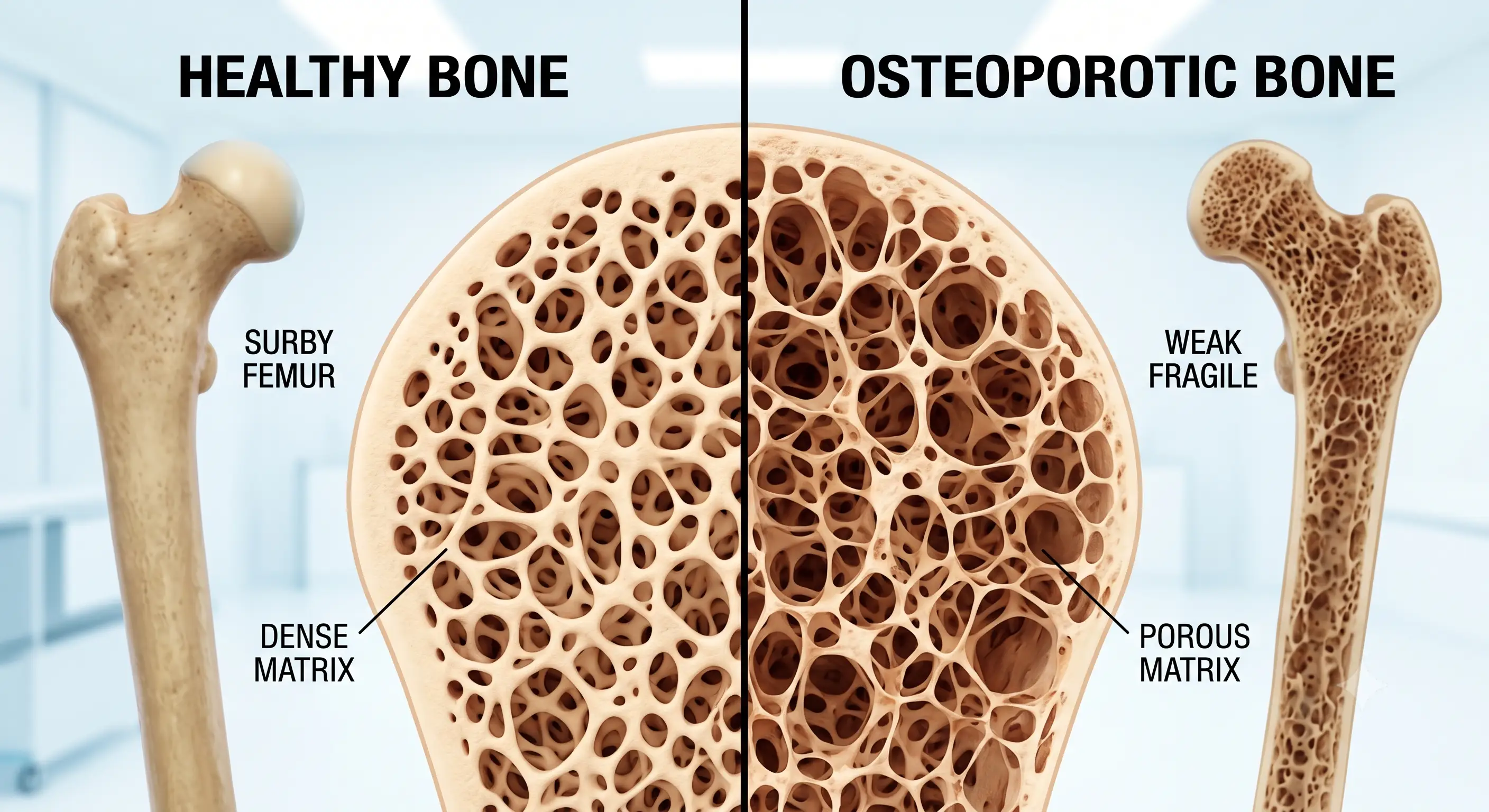
Blood calcium is tightly regulated and takes priority over the skeleton. If dietary Calcium intake is insufficient, hormonal signals draw calcium out of bone to maintain circulating levels. Over years, that ongoing withdrawal contributes to reduced bone density, which is associated with osteopenia, osteoporosis, and greater fracture risk with age. Because there are no symptoms along the way, intake is worth attending to before a problem appears.
How Much Do You Need?
| Group | Recommended daily intake (US RDA) | Upper limit |
|---|---|---|
| Adults 19–50 | 1,000 mg | 2,500 mg |
| Women 51–70 | 1,200 mg | 2,000 mg |
| Men 51–70 | 1,000 mg | 2,000 mg |
| Adults 71+ | 1,200 mg | 2,000 mg |
| Teens 9–18 | 1,300 mg | 3,000 mg |
These figures refer to total daily intake from food plus supplements, not supplement dose alone — a distinction that is easy to miss and the single most common cause of over-supplementation. Recommended amounts differ somewhat between countries; follow the guidance that applies where you live.
Who Is More Likely to Fall Short
- People who avoid dairy, whether from lactose intolerance, allergy, or preference, without using fortified alternatives
- Postmenopausal women, in whom declining estrogen accelerates bone loss
- Older adults generally, due to reduced absorption efficiency
- People on long-term corticosteroids, or with celiac disease, inflammatory bowel disease, or after bariatric surgery
- People with very low overall energy intake, including athletes with restricted eating
2. A Deep Dive Into Calcium's Key Roles
Bone Density Across the Lifespan
Bone is living tissue that is continuously broken down and rebuilt, and calcium is a foundational building block for that remodelling. Peak bone mass is largely established by the late twenties, so intake during childhood and early adulthood plays a major role in how much skeletal reserve someone carries into later life[2]. In older adults, adequate calcium together with vitamin D is a standard part of bone health guidance — though it is worth being honest that trials of calcium supplementation alone have shown smaller and less consistent effects on fracture rates than many people assume, and calcium is best seen as one necessary component rather than a fracture-prevention treatment on its own.
Muscle Contraction and Nerve Transmission
Calcium ions trigger the interaction between muscle fibres that produces contraction, and are central to the transmission of nerve signals. A significant drop in circulating calcium can cause muscle cramps, spasms, tingling, and in severe cases disturbances of heart rhythm — a medical situation rather than something to self-treat.
Blood Clotting and Cellular Signalling
Calcium is a required cofactor in the clotting cascade and acts as a signalling messenger inside cells across many tissues. This is part of why blood levels are so tightly regulated.
Other Areas
Calcium intake has been examined in relation to blood pressure, premenstrual symptoms, and colorectal health, with mixed and generally modest findings. These are areas of ongoing research rather than established uses.
3. Shop Smart: How to Choose the Right Calcium
Step 1: Carbonate vs. Citrate
- Calcium Carbonate: Around 40% elemental calcium by weight, so pills are smaller and cost less. It requires stomach acid to dissolve, so it should be taken with food. More likely to cause bloating, gas, or constipation.
- Calcium Citrate: Around 21% elemental calcium, so tablets are larger for the same dose. It absorbs adequately with or without stomach acid, which makes it the more practical choice for older adults, people taking acid-reducing medication (PPIs, H2 blockers), and anyone who has had bariatric surgery. Often better tolerated digestively.
- Other forms (lactate, gluconate) contain less elemental calcium per tablet and are less commonly used for meaningful supplementation.
Read the label for elemental calcium, which is the amount your body actually receives — not the weight of the calcium compound.
Step 2: Split the Dose
Absorption efficiency drops as the single dose rises, and roughly 500 mg of elemental calcium at one time is the practical ceiling. If you need 1,000 mg from supplements, taking it as two separate doses is more effective than one.
Step 3: Third-Party Testing and Source
Look for independent verification (USP, NSF). Be cautious with unrefined sources such as oyster shell, bone meal, or dolomite, which have historically been associated with heavy metal contamination unless purified and tested.
4. Everyday Habits: Food First
Most bone health guidance favours meeting calcium needs primarily through food, since dietary calcium arrives alongside protein, phosphorus, and other nutrients and has not been associated with the concerns raised about high-dose supplements.
- Dairy: Milk, yogurt, and cheese are well absorbed and calcium-dense; a cup of milk or yogurt supplies roughly 300 mg.
- Fortified alternatives: Soy, almond, and oat milks and some orange juices are fortified to comparable levels — shake the carton, as calcium settles.
- Fish with bones: Canned sardines and salmon are among the richest non-dairy sources.
- Tofu set with calcium sulfate: Check the ingredient list; calcium content varies enormously by coagulant.
- Greens: Kale, bok choy, and broccoli provide well-absorbed calcium. Spinach is high in calcium but also high in oxalate, which binds it — so it contributes less than the number suggests.
- Seeds and nuts: Sesame, chia, and almonds add useful amounts.
- Weight-bearing exercise: Walking, resistance training, and impact activity stimulate bone formation in a way no nutrient can replicate. This belongs in any calcium article that is being honest.
5. The Perfect Match: Synergies and Incompatibilities
Nutrients rarely work in isolation, and calcium in particular affects the absorption of several other minerals and medications.
✅ Combinations That Work Well Together
- Vitamin D: Required for efficient intestinal calcium absorption. Without adequate vitamin D status, a substantial portion of dietary calcium is not absorbed, which is why the two are almost always considered together.
- Vitamin K2: Involved in activating proteins (osteocalcin and matrix Gla protein) that bind calcium in bone and inhibit calcification in soft tissue. This mechanism is well described biochemically, and K2 is commonly combined with calcium and D3 on that basis — though clinical trials showing that added K2 improves bone or cardiovascular outcomes are still limited, so it is a reasonable rationale rather than a proven requirement.
- Magnesium: Involved in vitamin D metabolism and in normal muscle and nerve function, and often low in typical diets. Frequently combined with calcium, and may help offset the constipation some people experience.
- Adequate protein: Bone is roughly half protein by volume; sufficient dietary protein supports the bone matrix itself.
❌ Separate These
- Iron: Calcium meaningfully reduces iron absorption. Separate calcium supplements (and large dairy servings) from iron supplements or iron-rich meals by at least two hours.
- Zinc: High calcium doses compete with zinc for absorption.
- Thyroid medication (levothyroxine): Calcium markedly reduces absorption. Separate by at least four hours.
- Certain antibiotics: Tetracyclines and fluoroquinolones bind to calcium and become less effective. Separate by several hours, as directed by your pharmacist.
- Bisphosphonates (osteoporosis medication): Must be taken on an empty stomach, well separated from calcium — follow the specific instructions with your prescription.
- Very high sodium and caffeine intake: Both increase urinary calcium loss modestly; relevant at the level of overall dietary pattern.
6. Dosage, Timing, and Safety
Practical Approach
- Estimate your food intake first, then supplement only the gap. Many people need 500 mg or less from a supplement, not 1,000 mg.
- Carbonate with meals; citrate any time.
- No more than about 500 mg elemental calcium per dose.
- Ensure adequate vitamin D, ideally guided by a blood test rather than assumption.
Signs to Take Seriously
Persistent nausea, unusual thirst, frequent urination, confusion, or bone pain can indicate excessive blood calcium and warrant prompt medical assessment. Severe constipation on a calcium supplement is a reason to switch form or reduce dose in consultation with a pharmacist.
7. Frequently Asked Questions
Q. Do I need a calcium supplement at all?
A. If your diet regularly includes dairy or fortified alternatives, quite possibly not. Adding up your typical daily intake first is the most useful step — supplements are meant to close a gap, not duplicate what you already eat.
Q. Citrate or carbonate?
A. Carbonate is cheaper and fine with meals for most people. Citrate is the better option if you take acid-reducing medication, are older, have had bariatric surgery, or find carbonate constipating.
Q. Does calcium cause kidney stones?
A. Dietary calcium from food is generally associated with lower stone risk, because it binds oxalate in the gut. High-dose supplements, particularly taken apart from meals, have been associated with higher risk. Taking supplements with food reduces this concern.
Q. Should I add vitamin K2?
A. It is a reasonable addition with a sound biochemical rationale, and generally well tolerated — but the outcome evidence is still limited, so it should be presented as optional rather than essential. Note that K2 can interact with warfarin.
Q. I'm lactose intolerant. What are my options?
A. Lactose-free milk, hard cheeses and yogurt (often better tolerated), calcium-set tofu, fortified plant milks, canned fish with bones, and leafy greens can together meet requirements without supplements.
8. Conclusion and Precautions
Calcium is genuinely essential, and adequate lifelong intake is one of the better-established elements of bone health — but it is a nutrient where hitting the target matters far more than exceeding it. The sensible approach is to meet most of your requirement through food, supplement only the shortfall with a well-absorbed form such as calcium citrate, keep single doses moderate, ensure adequate vitamin D, and keep weight-bearing exercise in the picture.
⚠️ Precautions: The FDA has not evaluated calcium supplements for the treatment of any medical condition, and this article is not medical advice. Do not exceed the upper intake level (2,000–2,500 mg total daily from food plus supplements, depending on age). High supplemental intakes have been associated with kidney stones, and the cardiovascular question remains debated. Calcium interferes with the absorption of iron, zinc, thyroid medication, and several antibiotics — separate them. Consult a healthcare professional before starting long-term supplementation, particularly if you have kidney disease, a history of kidney stones, a parathyroid condition, or take prescription medication.
9. Sources and References
- National Institutes of Health (NIH), ODS — Calcium Fact Sheet for Health Professionals
https://ods.od.nih.gov/factsheets/Calcium-HealthProfessional/ - Bone Health & Osteoporosis Foundation (formerly NOF) — Calcium and Vitamin D
https://www.bonehealthandosteoporosis.org - Harvard T.H. Chan School of Public Health, The Nutrition Source — Calcium
https://www.hsph.harvard.edu - Mayo Clinic — Calcium and calcium supplements
https://www.mayoclinic.org - Cleveland Clinic — Calcium: What You Should Know
https://my.clevelandclinic.org - Linus Pauling Institute, Oregon State University — Micronutrient Information Center: Calcium
https://lpi.oregonstate.edu
© 2026 Healing-Finder. All rights reserved.